
Commercial vs. Residential Security
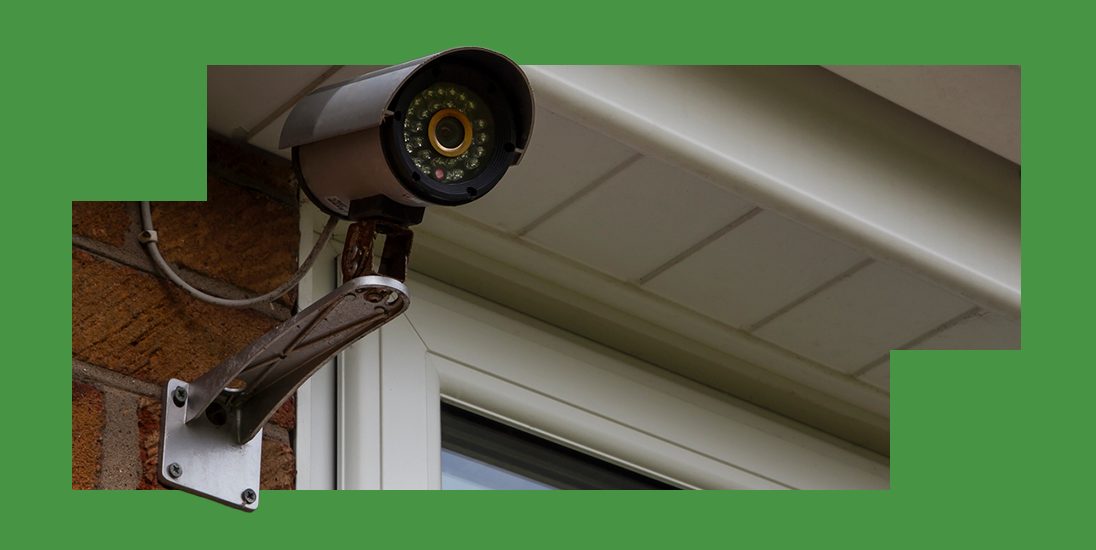
Understanding the differences between commercial and residential security systems is essential for Oregon business owners to make informed decisions about safeguarding their assets, employees, and customers. Monitoring systems may outwardly seem similar, but home and commercial security laws and systems vary significantly. While residential security serves homeowners well, commercial operations face distinct challenges that demand professional-grade protection.
Residential Security Is Built for Home Life
Home security systems protect family members and personal belongings with solutions designed for lighter usage patterns and personal monitoring preferences. Homeowners often prioritize protection during evenings and weekends when families are away, rather than robust 24/7 monitoring.
These systems typically feature:
- Consumer-grade equipment: Includes cameras and sensors built for intermittent activity and smaller coverage areas.
- Self-monitoring options: Allows homeowners to check alerts on their phones and decide when to call authorities.
- Limited storage: Provides cloud plans designed for reviewing occasional events rather than continuous footage archives.
- DIY installation: Enables homeowners to install equipment themselves, reducing up-front costs.
Residential systems work well for protecting single-family homes with predictable usage patterns. However, constant business activity, multiple access points and liability concerns require fundamentally different capabilities.
Commercial Security Demands More
Businesses face security requirements that residential systems can’t adequately address. Theft and security breaches affect businesses of all sizes, with small retail businesses particularly vulnerable to losses they can’t afford to absorb. Commercial properties must be able to protect inventory, customer data and employee safety to ensure business continuity.
Durability and Professional Coverage
Commercial properties need equipment built for constant operation across larger spaces. Professional-grade cameras handle continuous recording in high-traffic areas where consumer equipment would fail within months. Alarm systems for commercial properties monitor multiple zones across entry points, storage areas and offices simultaneously.
Businesses managing employees across shifts benefit from access control systems that track personnel movement. These digital logs create audit trails that help identify security breaches and discourage unauthorized entry.
Monitoring and Response
Professional monitoring through UL-listed central stations operates continuously, verifying alerts before dispatching authorities. Trained operators distinguish legitimate threats from false triggers, preventing unnecessary emergency responses.
After-hours break-ins require immediate professional intervention that self-monitoring cannot provide. Business owners cannot guarantee phone availability during emergencies, making professional monitoring essential for consistent protection.
Can You Use a Home Security System in a Business?
While technically possible for very small operations with minimal foot traffic, such as solo home-based businesses, home security laws and practical limitations make residential systems inadequate for most commercial applications.
Key limitations include:
- Insurance requirements: They lack professional monitoring, equipment certifications and compliance documentation that commercial policies require.
- Durability gaps: They fail under constant business demands, leading to coverage gaps and frequent replacements.
- Legal compliance: They don’t meet workplace security regulations and data protection requirements that businesses must follow.
- Liability exposure: They increase risk if incidents occur on your property, which can affect insurance claims.
- Scalability limitations: They require complete replacement rather than infrastructure expansion when adding cameras or access points.
Understanding Oregon Security and Privacy Laws
Homeowners and businesses must navigate Oregon’s surveillance regulations when installing security systems. Recording consent and privacy protection laws apply to both, though businesses face stricter oversight.
Video and Audio Recording Consent in Oregon
Under ORS 165.540, Oregon requires two-party consent for audio recording. Residential security systems cannot record conversations on your property without the knowledge and permission of all participants. Video-only recording remains legal for both homes and businesses in public areas where people don’t expect privacy.
Home security laws allow homeowners to place cameras covering driveways, yards and home exteriors without consent restrictions. They can use video surveillance of doors and windows to document trespasses or attempted break-ins.
Commercial Security Laws and Compliance
Businesses face additional regulatory scrutiny beyond homeowner requirements.
Oregon commercial security laws demand:
- Strict audio prohibitions: Limit businesses to video-only surveillance, as audio recording triggers legal liability.
- Privacy-sensitive area restrictions: Ban cameras in bathrooms, locker rooms or changing areas that violate reasonable privacy expectations.
- Employee notification: Reduce legal risk through transparency, though Oregon doesn’t mandate camera disclosure notices.
- Criminal penalties: Result in Class A misdemeanor charges with civil liability exposure for noncompliance.
Oregon has enacted consumer protection laws affecting how businesses handle security footage. The state’s ban on collecting precise geolocation data without consent applies to smart security systems. Businesses using cloud-based surveillance must also consider consumer rights to access and delete personal information.
Why Businesses Choose Professional Security
The residential vs. commercial security gap becomes clear when examining scalability, monitoring and regulatory compliance. Professional commercial security systems deliver capabilities that residential alternatives cannot match.
Benefits include:
- Expandable architecture: Growing businesses can add cameras, entry controls and monitoring coverage without replacing existing infrastructure.
- Centralized management: Single platforms coordinate video surveillance, alarm monitoring and entry restrictions from unified dashboards.
- Responsive service: Expert technicians provide rapid installations and same-day repairs that eliminate coverage gaps.
- Intelligent threat detection: AI-powered analytics filter false alarms while identifying suspicious patterns before losses occur.
- Certified monitoring: UL-listed oversight meets commercial insurance standards and delivers verified emergency response.
Security Monster combines advanced surveillance technology with round-the-clock monitoring from our Five Diamond-certified central station, delivering business-specific protection you can feel confident using.
Commercial Security Solutions Across Oregon
Security Monster’s commercial offerings include professional alarm monitoring, AI-enhanced video surveillance and electronic access management designed to meet insurance carrier requirements and Oregon’s surveillance privacy regulations.
With two decades of experience serving businesses throughout Eugene, Springfield and surrounding Oregon communities, we design security systems matched to local commercial needs. Every protection package addresses your facility’s specific vulnerabilities and budget constraints, with flexible agreements that don’t lock you into multiyear commitments.
Protect Your Commercial Property Today
Invest in commercial security infrastructure that safeguards your business. Security Monster delivers surveillance systems, alarm protection and access management tailored to your operational requirements.
Call 541-342-8111 or contact us online to request a quote for your business.